Minds & machines / Essay 002
The machine is listening. Are we?
What our conversations with AI reveal about the people having them.
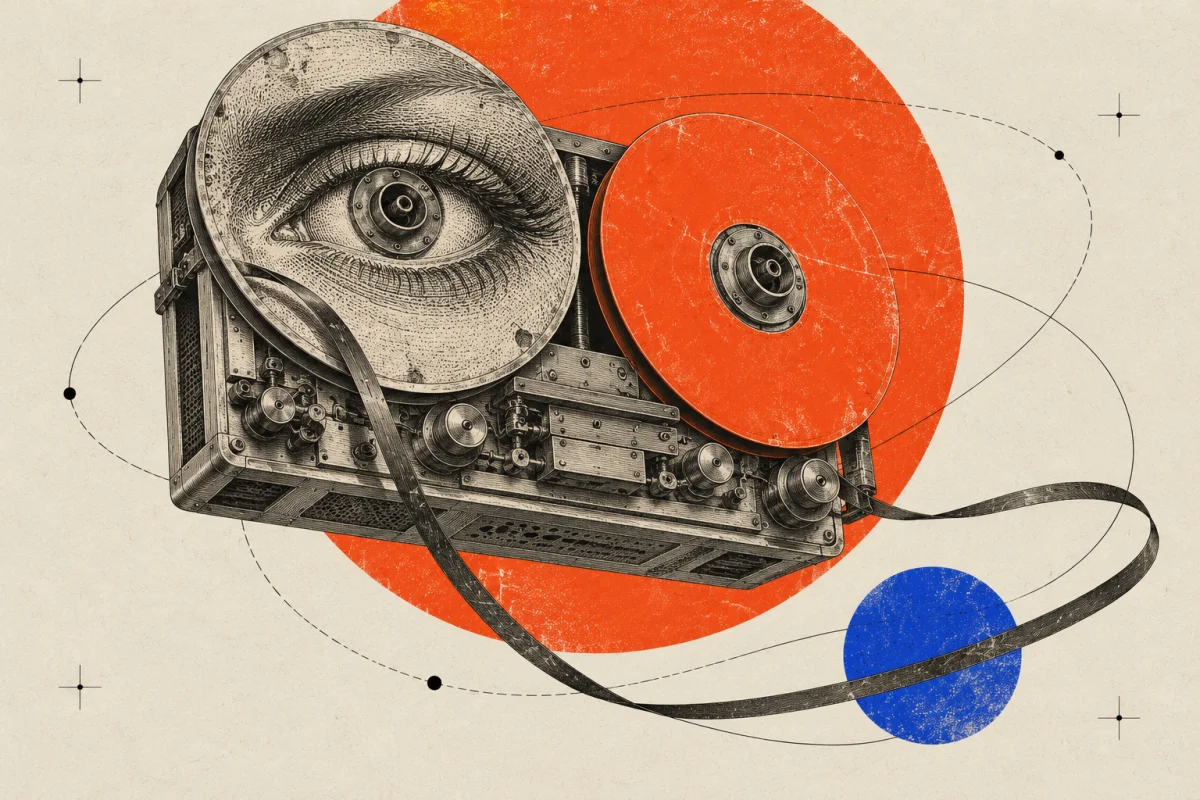
Open a conversation with a machine and you are immediately confronted with a very human problem: explaining what you mean.
The first request is usually an approximation. Make this better. Help me think. Tell me what I'm missing. The reply comes back, and suddenly you can see all the things you forgot to say.
You wanted it shorter, but not less thoughtful. More surprising, but still familiar. More like you, although you hadn't quite worked out what that sounded like.
There is something revealing about the corrections.
They describe the distance between an intention and an instruction. That distance exists in every collaboration. A colleague, a designer, a friend: each has had to work with the gap between what we said and what we thought we said.
Sometimes the most useful thing a machine can return is a clearer picture of your own question.
Fluent replies can make this process feel easier than it is. A confident paragraph is inviting. It has a rhythm. It offers an ending. But the sensation of being understood is different from the work of checking whether understanding happened.
So perhaps a useful habit is to slow down at precisely the moment the conversation becomes comfortable. Ask what assumption carried the answer. Ask what would make it wrong. Notice when a response flatters your framing instead of examining it.
These aren't special skills for talking to artificial intelligence. They are good habits for thinking with anyone.
The machine can keep talking indefinitely. The interesting question is whether the conversation is helping you notice something you couldn't see before.
Stay curious. The rest can wait.
Get the dispatch →